

Reproductive Health & Preventative Screenings

Pregnancy & Postpartum Care
First Steps Program
Breast Feeding Support

Nutrition Services

Resources
Reproductive Healthcare Services
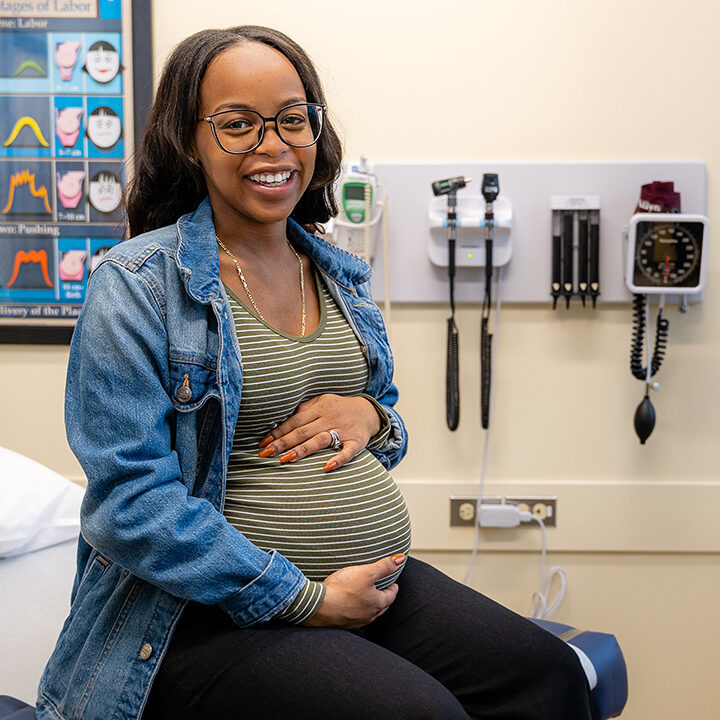
Reproductive care at CHAS Health supports your wellness through every stage of life, offering personalized services for contraception, screenings, menstrual health, and more—all in a safe, inclusive environment.
Pregnancy and Postpartum Care
Cancer Screenings (breast, cervical, colon)
Birth Control
Immunizations
Sexually transmitted infection testing/treatment
Reproductive health concerns
Menopause hormone replacement therapy or symptom management
Menstrual disorders (heavy periods, painful periods, irregular periods, abnormal uterine bleeding).
Acute concerns of the breast or pelvic organs
Screenings
Preventative healthcare includes screening for cancer and infections, keeping you updated with recommended vaccinations and access to all contraception options.
Meeting with your primary care provider once a year for a preventative care visit is important to ensure you are up to date on all your health care needs. Early detection and treatment can save lives!

Pregnancy & Postpartum Care
We provide prenatal care at select locations with a team of Midwives and Family Practice providers. Services include routine prenatal visits, preparing for birth and staying up to date on important pregnancy immunizations, screenings and post-partum follow up.
We deliver babies at MultiCare Deaconess Hospital
Meet Our Providers






What to expect for the first visit and continuing care:
After you have a positive home pregnancy test, give us a call to schedule for your intake visit. We have a team of RN’s who will complete a phone visit with you to collect important information and will ensure you are scheduled in the right timeframe for your first OB visit.
Prenatal care: First visit occurs between 8 – 10 weeks, then every 4 weeks until 28 weeks, then every 2 weeks until you are 36 weeks and then they occur weekly until delivery. Postpartum visits will typically be done 2 and/or 6 weeks following delivery.
Ultrasounds: Patients will complete their ultrasounds at Inland Imaging. The first ultrasound is scheduled after you complete your first visit with an OB provider and then a growth/anatomy ultrasound is typically scheduled after 20 weeks.
Pregnancy Care Locations



First Steps Program
The program is designed to help meet the medical and social service needs of pregnant women. Registered nurses, registered dietitians, behavioral health specialists, community health workers, and infant case managers teach and support women throughout their pregnancy. Depending on the circumstance, services may last until the baby’s first birthday.
We accept outside referrals for services through our First Steps program, you do not have to receive OB care at CHAS to qualify for support.


Breast Feeding Support
We have IBCLC (international board-certified lactation consultants) at CHAS who focus on feeding support for you and you baby. Meeting with a lactation provider in pregnancy can help you plan and prepare for your babies’ arrival. After delivery, our lactation providers can support you in the hospital, at home or at a clinic.
Infant formula, although widely used and aggressively marketed, has some downsides. You deserve to make an informed decision and to know the resources that can support you and your baby.
- Faster postpartum recovery and return to usual weight before pregnancy.
- Decreased chance of cancer in your breasts and ovaries in the future.
- Decreased chance of another pregnancy while you are breastfeeding.
- Cost savings.
- Ecological savings – less plastic, less washing.
- For working parents, there is generally less missed work due to having a healthier infant.
- Decreased chance of heart attacks, strokes, and diabetes in the future.
- Decreased chances of Sudden Infant Death Syndrome (SIDS).
- Protection from infections in their digestive system and develops a healthy gut for baby.
- Less colic and constipation and better regulation of their appetite.
- Healthier brain development.
- Protects baby from respiratory infections in the household or community such as RSV or flu because the milk is so full of antibodies.
- Healthier skin, less rashes.
- Better development of the muscles of their face for talking and eating.
- Decreased risk of obesity, high blood pressure, asthma, and diabetes.
Nutrition Services
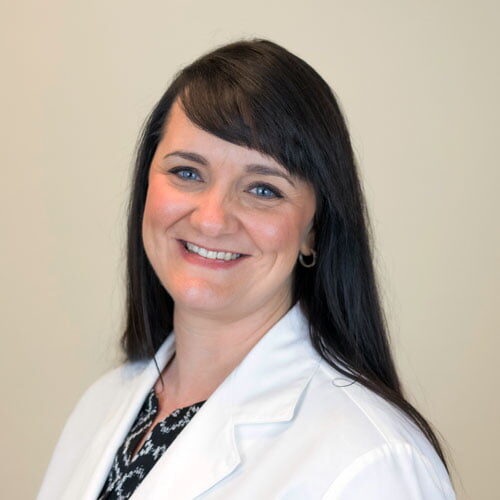
Annette specializes in women’s health nutrition with a focus on pregnancy care. Annette will meet with you during your pregnancy to review prenatal nutrition recommendations, including healthy eating habits and strategies to manage common pregnancy symptoms.
Nutrition services also include nutrition support for fertility, postpartum recovery, infant feeding, and managing chronic conditions like PCOS, diabetes or thyroid disorders. Services can be provided in person or virtually. Patients can self-refer or ask their provider to connect them with a dietitian at any time.
Meet Our Dietitian
Annette Anderson
Resources
Pregnancy is a time of many changes, and understanding common symptoms, available screenings, and supportive resources can help you feel more confident and prepared throughout your journey. In the sections below, we’ll explore helpful remedies for typical discomforts, important prenatal tests, postpartum support options, and ways to reduce the risk of SIDS/SUID for your newborn.
The Spokane Region Health District has partnered with hospitals in Spokane to offer a family-centered program for people who have used opioids or other drugs during pregnancy. This program focuses on the natural support parents can provide such as skin-to-skin contact or breastfeeding. Newborns in the program will often have a shorter stay at the hospital, use less medication, and require a reduced amount of care from hospital staff.
What is Eat, Sleep, Console?
Learn why Spokane hospitals have adopted a special model of care for newborns who have been exposed to opioids or other drugs during pregnancy.
What Can I Expect with Eat, Sleep, Console?
Learn about the nursing care and social services support you can expect in the hospital during the first five days of your newborn’s life.
How Can I Prepare for Eat, Sleep, Console?
Learn the steps you can take to set yourself up for success in parenting your newborn in the first five days of life.
Morning Sickness
- Unisom (Doxylamine Succinate) 25 mg at night combined with Vitamin B6 25 mg four times a day.
- Peppermint/Ginger tea.
- Small frequent meals.
- Eat before getting up in the morning (put a snack next to your bed).
- Drink water between meals, sparingly with meals.
- Eat slowly and rest after meals. It is best to rest while sitting in an upright position for about one hour after eating.
- Dry toast, soda crackers, or dry pre-sweetened cereals (dry starches) may help relieve nausea.
- SeaBands: a knitted elastic wrist band, which operates by applying pressure on the Nei Kuan acupressure point on each wrist.
Headaches
- Increase fluid intake.
- Tylenol (Acetaminophen) per instructions on the bottle.
- Rest and warmth or ice to neck/head.
Cold/Flu/Allergies
- Drink lots of fluids, especially water.
- Aches and Fever: Acetaminophen (Tylenol), Triaminic.
- Allergies/ Congestion: Benadryl, Zyrtec, Claritin, Chlor-Trimeton. Use a cool mist vaporizer/humidifier, neti pot, or saline nasal spray.
- Cough: Halls cough drops or Robitussin (after first trimester). Call your medical provider if you are coughing up green or yellow phlegm or if cough is severe.
- Sore Throat: Warm salt water gargles, Cepacol lozenges or chloraseptic spray.
Routine medical screenings during pregnancy play a vital role in monitoring your health and your baby’s development, helping to identify potential concerns early and guide timely, personalized care.
New OB Labs
These are blood draws that give providers basic health information. These will be done at one of your first visits.
Urine Sample/Test
Your provider may test your urine to see how your body is handling pregnancy.
Non-Invasive Prenatal Screen
This blood draw can be performed after 10 weeks. This test looks for fetal chromosome abnormalities, such as trisomy 13, 18, or 21. It can also determine gender.
Gestational Diabetes Screening
This glucose drink and blood draw is done around 24–28 weeks. This test identifies problems with blood sugar control. Iron levels may also be checked at this time, along with other screening labs.
Group Beta Strep (GBS) Culture
This is a genital swab done around 35–37 weeks to check for abnormal bacteria that can cause infection to newborns if not treated during delivery.
Urine Drug Screen
You will be asked to complete a urine drug screen. If needed, resources or access to treatment are available.
Ultrasound
This is regularly scheduled after 20 weeks to check anatomy and as ordered by your provider.
Action Plan Around Pregnancy
Having a baby brings a mix of emotions, including feeling sad and feeling overwhelmed. Many women experience deeper signs of depression and anxiety before and after birth. Be prepared. Watch for the signs.
If You . . .
- Feel like you just aren’t yourself
- Have trouble managing your emotions
- Feel overwhelmed but are still able to care for yourself and your baby
You may be experiencing mood swings that happen to many pregnant women and new moms.
These feelings typically go away after a couple of weeks.
- Take special care of yourself. Get your partner to watch the baby, get a babysitter, or team up with another mom to share child care so that you can rest and exercise.
- Continue to watch for the signs of depression and anxiety in the yellow and red sections below. If things get worse, find someone to talk to. Talk to a healthcare provider if you feel unsure.
If You . . .
- Have feelings of intense anxiety that hit with no warning
- Feel foggy and have difficulty completing tasks
- Feel “robotic,” like you are just going through the motions
- Have little interest in things that you used to enjoy
- Feel very anxious around the baby and your other children
- Have scary, upsetting thoughts that don’t go away
- Feel guilty and feel like you are failing at motherhood
- Feel that you cannot take care of yourself or your baby
You may be experiencing postpartum depression and anxiety.
These feelings will not go away on their own.
- Get help. Contact your healthcare provider or visit a clinic.
- Call Postpartum Support International at 1.800.944.4PPD (4773) to speak to a volunteer who can provide support and resources in your area.
- Talk to your partner, family, and friends about these feelings so they can help you.
If You . . .
- Feel hopeless and total despair
- Feel out of touch with reality (you may see or hear things that other people don’t)
- Feel that you may hurt yourself or your baby
- Have little interest in things that you used to enjoy
- Feel very anxious around the baby and your other children
- Have scary, upsetting thoughts that don’t go away
- Feel guilty and feel like you are failing at motherhood
- Feel that you cannot take care of yourself or your baby
Get Help Now!
- Call 911 for immediate help.
- 24-Hour Regional Crisis Line 1.877.266.1818 They serve Spokane, Adams, Ferry, Lincoln, Pend Oreille, and Stevens counties. Operated by Frontier Behavioral Health.
- Call the National Suicide Prevention Lifeline at 1.800.273.TALK (8255) for free and confidential emotional support—they talk about more than suicide.
- Call the Substance Abuse and Mental Health Services Administration’s National Helpline at 1.800.662.HELP (4357) for 24-hour free and confidential mental health information, treatment, and recovery service referrals in English and Spanish. These feelings will not go away on their own.
Sudden Unexpected Infant Death (SUID) Prevention refers to efforts aimed at reducing the risk of unexplained deaths in infants under one year of age, including Sudden Infant Death Syndrome (SIDS), accidental suffocation, and other sleep-related causes. Prevention strategies often focus on safe sleep practices—such as placing babies on their backs to sleep, using a firm sleep surface, and keeping soft bedding and toys out of the crib.
This work is important because SUID remains one of the leading causes of infant mortality. By educating caregivers, healthcare providers, and communities, we can help save lives and support families in creating safer environments for their babies.
BirthWise is program that supports the natural-childbirth experience. Our providers can discuss eligibility and more during your prenatal care visits.